Manufactured vs. Modular ADUs in California: What's the Difference?
The terms "manufactured," "modular," and "prefab" are used interchangeably but they mean very different things — especially under California law. Getting this right affects your permits, financing, and timeline.
Three Terms, Three Different Things
If you've researched ADUs online, you've likely seen "manufactured," "modular," and "prefab" used as if they mean the same thing. They don't — and in California, the distinction has real legal and practical consequences.
Manufactured Homes
A manufactured home is built entirely in a factory and regulated by the federal HUD code (Housing and Urban Development Code), not local building codes. HUD-code homes are built on a permanent steel chassis and receive a HUD certification plate.
Under California law, HUD-code manufactured homes placed on a permanent foundation can qualify as ADUs. They go through the California Department of Housing and Community Development (HCD) for permitting rather than the local building department — which can significantly streamline the approval process.
Modular Homes
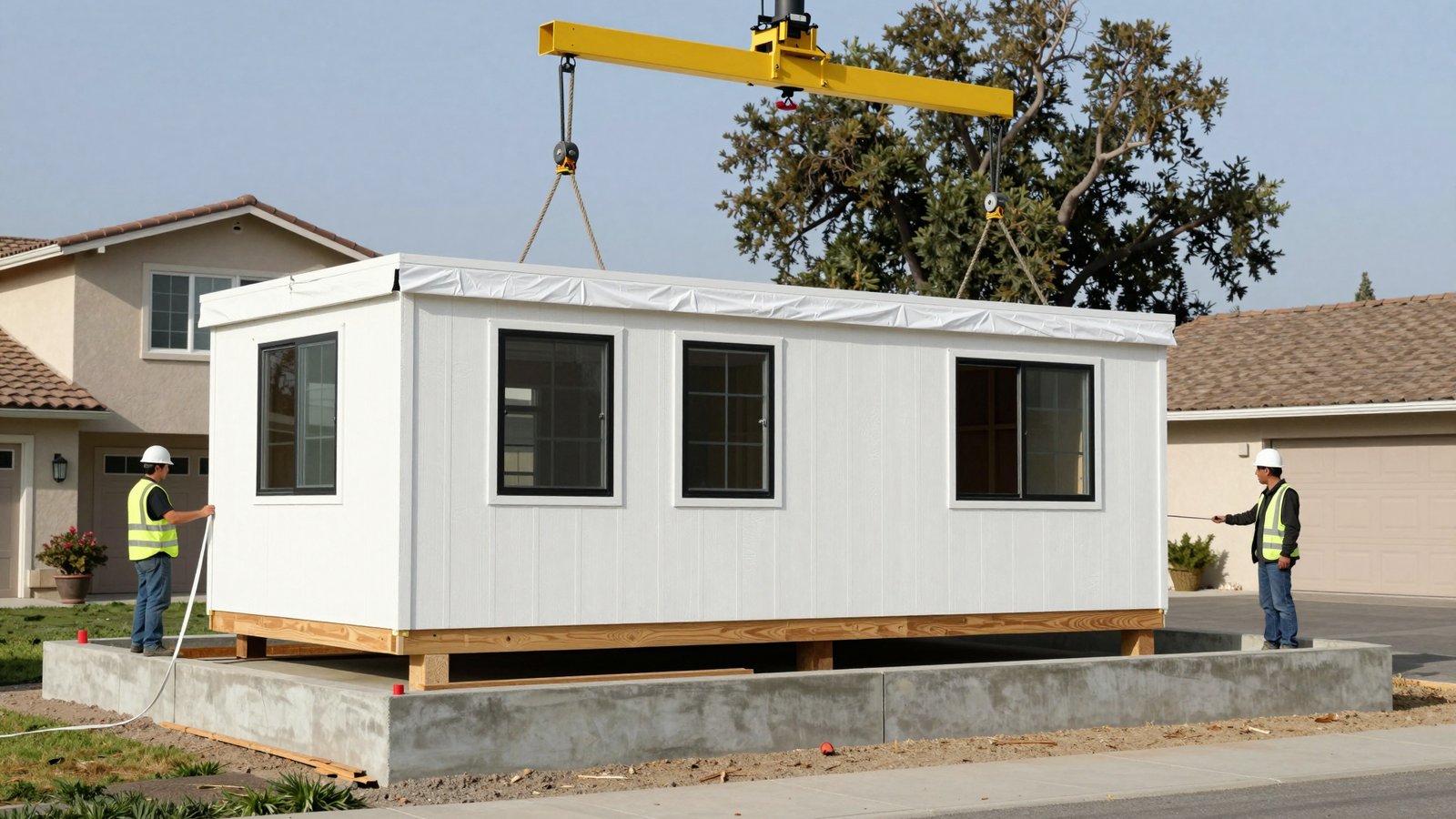
Modular homes are also factory-built, but they're built to local building codes (California Building Code, or CBC) rather than the HUD code. They arrive in sections ("modules") and are assembled on-site. Because they meet local codes, they go through local building department permitting like any site-built structure.
Prefab (Prefabricated)
"Prefab" is a marketing term, not a legal category. It generally means some or all of the construction happens off-site. Both manufactured homes and modular homes are technically prefab, but so are panelized homes, container homes, and other factory-built structures.
Which Is Better for ADUs?
For most California ADU applications, HUD-code manufactured homes have a significant advantage:
- Faster permitting: HCD-regulated homes often have a more streamlined approval process than local building departments
- Cost predictability: Factory construction under federal oversight means consistent quality and pricing
- Financing: HUD certification makes manufactured homes eligible for certain loan programs
- Timeline: Many manufactured ADUs can be delivered and installed in 90–120 days after permit approval
Modular ADUs offer more design flexibility (since they meet local codes, they can be designed to match nearly any architectural style) but typically cost more and take longer to permit and build.
What nanohouz Builds
nanohouz primarily works with HUD-certified manufactured ADUs for the speed and cost advantages they provide. We also offer custom onsite construction for clients whose lots, HOA requirements, or design preferences require a site-built approach.
Not sure which path is right for your property? Start with a free feasibility consultation — we'll assess your lot, zoning, and goals and recommend the most cost-effective approach.
Keep reading
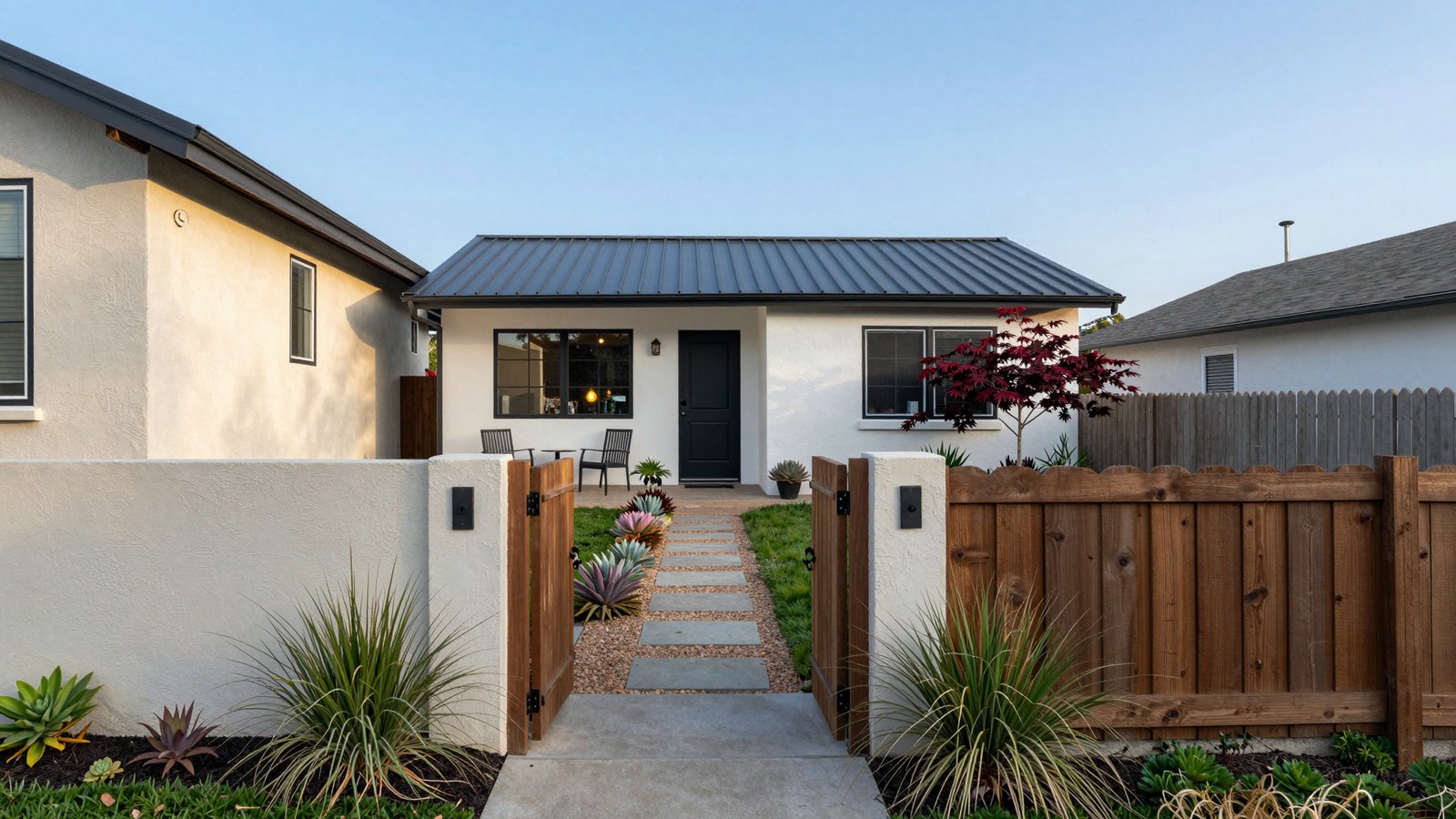
ADU Condoization in California: Can You Sell Your ADU Separately?
AB 1033 allows cities to permit the separate sale of ADUs as condominiums. Here's what it means, which cities have opted in, and how it changes the math for ADU investors.
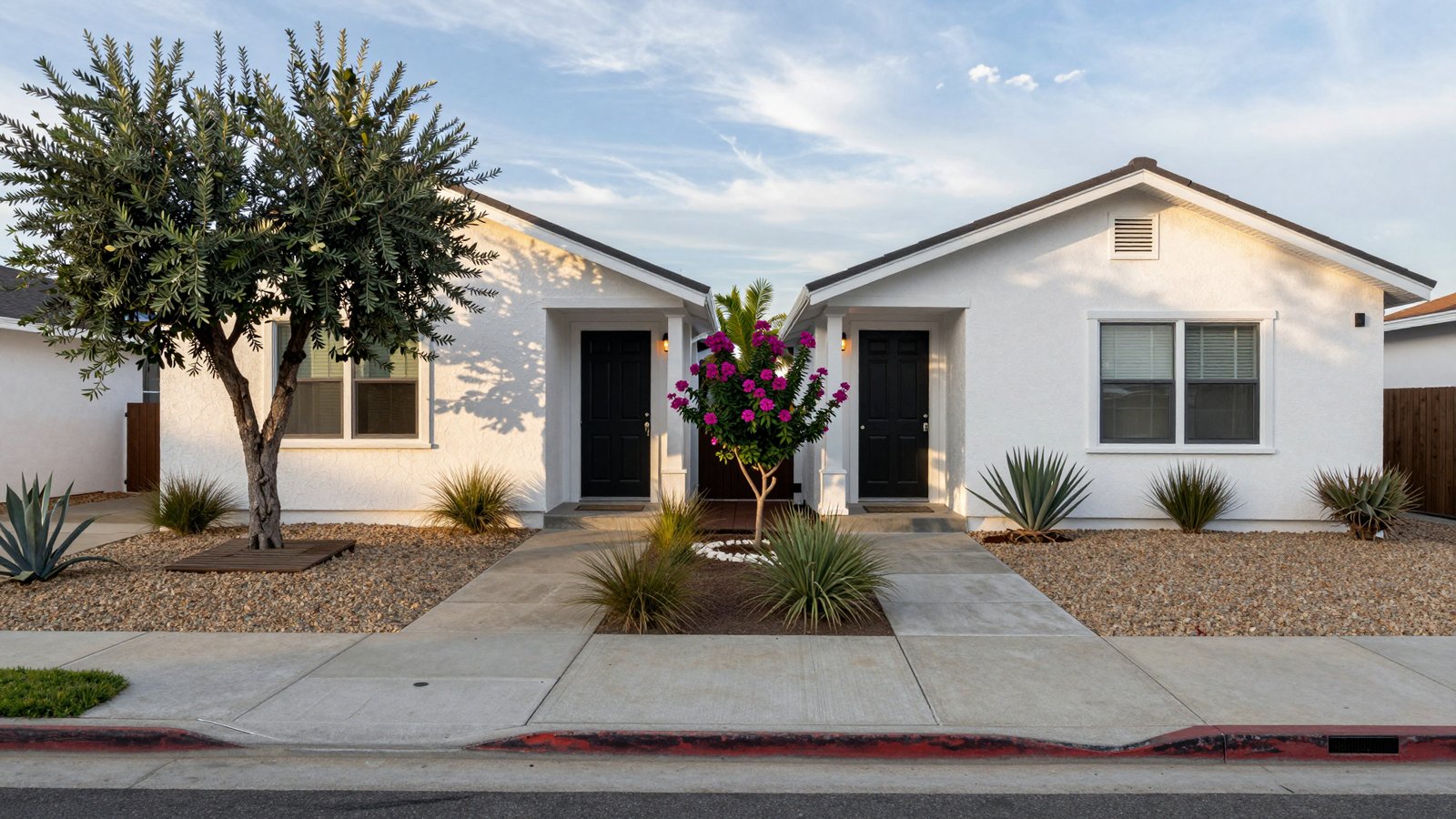
SB 9 Explained: How California's Duplex Law Opens the Door to More ADUs
Senate Bill 9 allows most single-family homeowners in California to split their lot or add a duplex — but the interaction with ADU law creates opportunities few people know about.
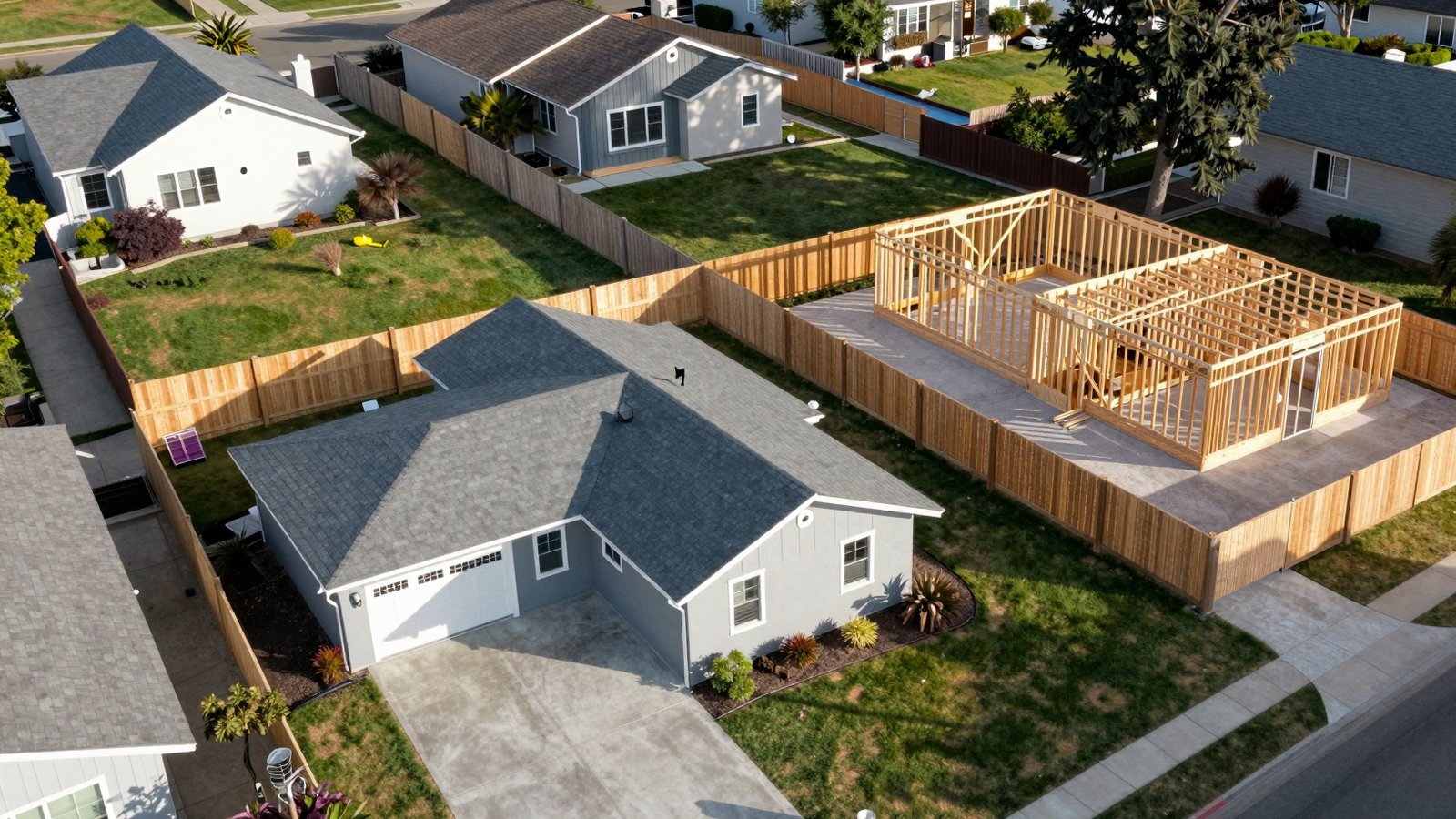
How to Actually Split Your Lot Under SB 9: A Step-by-Step Guide for California Homeowners
SB 9 gives California homeowners the legal right to split a single-family lot — but the path from "I want to do this" to a recorded parcel map is more involved than most people expect. Here's exactly what it takes.